

How to Sell Inherited Land in Wisconsin
If you need to sell inherited land in Wisconsin, start with the property facts: county, parcel number, acreage, access, zoning, utilities, taxes, ownership, and any known restrictions. Those details shape pricing, timing, and the sale options available to you.
When you inherit property in Wisconsin, the first question is not always price. The first question is who has authority to sign, whether the family can sell inherited property now, and what tax consequences follow when heirs want to sell the property.
Owners who inherit land, inherit a property, or inherit a home often have to balance probate, property tax, family coordination, and the eventual sale price. A clear plan helps heirs sell inherited property without turning the process into a long dispute.
Where Most Inherited Land Sales Start
Selling inherited Wisconsin land involves more than just listing the property. First you need to confirm how title is held after the owner's death - sole name, joint tenancy, trust, or probate estate - because that determines who can legally sign the deed. Heirs spread across multiple states, outdated beneficiary designations, or unresolved probate cases can all delay closing, so it pays to understand the ownership picture before you start marketing the parcel.
Tax treatment is the other key issue heirs overlook. Inherited land usually receives a stepped-up cost basis equal to fair market value on the date of death, which can dramatically reduce capital gains when you sell. A quick appraisal or comparable-sales review at the time of inheritance protects that basis and makes the eventual sale cleaner. Coordinating with the estate attorney and title company early prevents surprises when the deed moves to a buyer.
Inherit Property in Wisconsin: Who Can Sell Inherited Property
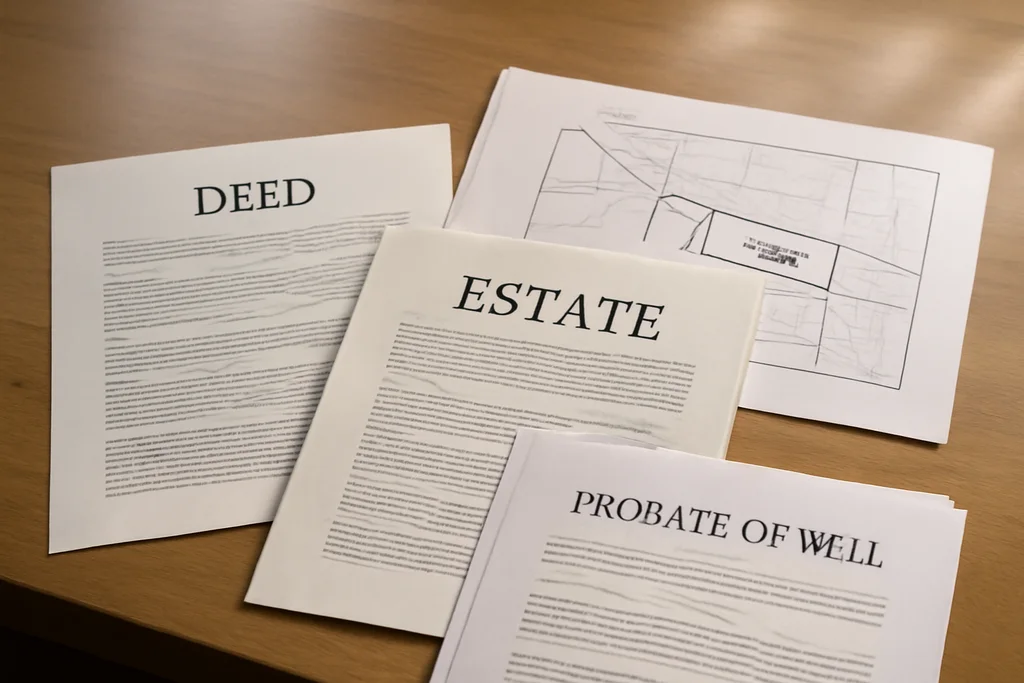
Heirs have three realistic paths once title is sorted: keep the land, list it through a real estate agent, or sell directly to a cash land buyer. Keeping usually appeals when the land has family history or clear appreciation prospects. Listing works when the parcel is in high demand and the estate can wait 6-12 months. A direct sale fits when heirs want to close the estate, distribute proceeds, and stop shared carrying costs.
Listing with an agent means 6-10% commission, 2-8 months on market, and buyer-financing contingencies. A direct cash buyer pays less per acre but closes in 2-3 weeks without financing risk. For estates with multiple heirs in different states, the speed and certainty of a cash closing often outweighs the price gap - especially when property taxes and maintenance keep accruing month over month.
Capital Gains Tax, Inheritance Tax, and Estate Tax
Inherited Wisconsin land gets a stepped-up basis to fair market value on the date of death. That's the single biggest tax lever heirs have - if Grandpa paid $8,000 in 1972 and the land is worth $80,000 at his death, your cost basis is $80,000, not $8,000. Selling near that FMV means minimal capital gains. Sitting on the land for years while it appreciates erodes that stepped-up basis advantage.
Key practical steps: get a dated comparable-sales review (or formal appraisal for contested estates), document any improvements the estate makes, and coordinate the sale timing with the estate attorney so proceeds distribute cleanly. Selling within 12 months of inheritance is usually both the tax-optimal and estate-closure-optimal choice for heirs who don't plan to use the land.
Fair Market Value, Tax Basis, and Sale Price
Heirs who inherit property should confirm the fair market value at the date of death, because that number often becomes the tax basis used to measure future gain. That tax basis affects whether the family will pay capital gains tax when they sell the property and how much of the final sale price turns into taxable gain.
It also helps to separate inheritance tax, estate tax, and capital gains tax. Wisconsin heirs may not face every one of those issues on every file, but they should understand which rule applies before they sell an inherited property, sell an inherited house, or accept an offer on inherited land.
If the family wants to sell inherited land quickly, gather the deed, death certificate, probate papers, and any property tax records early. That makes it easier to price the land, explain the file to buyers, and decide whether to sell the property through the market or directly.
Who Usually Has Authority to Sell Inherited Property
Inherited land often looks simple from the outside, but the right to sell inherited property can vary a lot from one family to another. Sometimes a single heir is already on title after they inherit property. In other cases an executor, administrator, trustee, or several heirs must all sign before the family can sell an inherited property.
Wisconsin sellers also need to know whether probate is complete, whether affidavits or certificates have been recorded, and whether every interested party agrees with the sale. The longer those questions stay unresolved, the more likely it is that a buyer or title company will pause the transaction and delay the chance to sell inherited land.
Probate, Title, and Family Coordination When Heirs Sell the Property
Family-owned land can stall when one heir wants cash immediately, another wants to wait, and another is hard to reach. Even when everyone agrees in principle, the title company may still need death certificates, probate filings, trust papers, or recorded deeds that connect the ownership chain correctly before heirs sell the property.
That is why inherited-land sales usually move faster when the family decides early who will gather documents, who will communicate with the title company, and what sale terms are acceptable. A clear point person reduces delays and keeps the process from turning into repeated start-and-stop negotiations around the inherited house, inherited home, or inherited land file.
Capital Gains Tax, Fair Market Value, and Tax Basis on Inherited Land
Heirs who inherit land should understand how fair market value and tax basis affect the final numbers. In many cases the fair market value at the date of death becomes the starting tax basis, which means the gain is measured from that value rather than from what the decedent originally paid.
That matters because the choice to sell inherited property can create capital gains tax, and the final gain depends on the sale price, tax basis, and how long the heirs hold the property after they inherit a property. Families often review inheritance tax, estate tax, property tax, and capital gains tax separately so they know which issue actually affects the closing.
How Wisconsin Sellers Compare Their Options
Many Wisconsin owners start by comparing the same three paths: list the land, market it themselves, or work directly with a cash buyer. That comparison should include more than headline price. Sellers should look at how many people need to approve the deal, how quickly the property needs to close, how much cleanup or marketing work they want to handle, and whether they are comfortable waiting for a financed buyer.
A direct buyer is not always the highest-price path, but it can be the simplest path when the property has title issues, back taxes, difficult access, family complications, or a narrow buyer pool. On the other hand, a clean and highly marketable tract may justify more exposure if your main goal is maximizing price and you have time to wait.
Questions to Ask Before You Move Forward
Before signing anything, ask who is paying closing costs, whether the buyer can close without financing, what title issues have already been identified, and how long the offer remains open. If the property is inherited, owned by an LLC, or affected by unpaid taxes, those details should be raised early instead of being left for the closing table.
It is also worth asking what happens if the title search finds old liens, missing probate documents, or ownership gaps. A serious buyer or title company should be able to explain the next step clearly. When no one can explain the process, that usually means the deal is not as solid as it first appears.
Steps to Sell Wisconsin Land
- Gather piece details. Find the county record, parcel number, tax status, deed, and any maps or surveys you already have.
- Decide your preferred sale path. Choose whether you want to list, sell by owner, or ask for a direct cash offer.
- Review written terms. Look at price, closing costs, timeline, contingencies, and who pays title expenses.
- Close with proper paperwork. Use a title company or qualified closing professional so the deed and funds are handled correctly.
Common Questions
What should I review before selling inherited land in Wisconsin?
Start by confirming who has authority to sign, whether probate is complete, whether there are unpaid taxes, and whether all heirs agree on the sale.
Do I need a realtor to sell Wisconsin land?
No. You can sell land yourself or work directly with a cash buyer. A realtor may help with marketing, but commissions and timeline should be part of the comparison.
How long does a Wisconsin land sale take?
A simple cash sale can close quickly after title is clear. Probate issues, liens, access problems, or ownership questions can add time.
What documents are usually needed to sell land in Wisconsin?
Most sales need a purchase agreement, deed preparation, identification, tax information, and any paperwork proving authority to sign.
Get a Cash Offer for Wisconsin Land
Sell Wisconsin Land buys vacant lots, inherited land, rural acreage, wooded lots, and unwanted Wisconsin property directly from owners. Share the ground details, review a no-obligation offer, and decide whether a direct sale works for you.
Sell Your Wisconsin Land for Cash
We buy land in every Wisconsin county with no fees, no commissions, and closings in as little as 2 weeks. Start with a free cash offer.
Ready to compare a direct cash offer? We buy land directly from owners for cash with no fees, no commissions, and no listing delays.