

How to Sell Land Online in Wisconsin
If you need to sell land online in Wisconsin, start with the property facts: county, parcel number, acreage, access, zoning, utilities, taxes, ownership, and any known restrictions. Those details shape pricing, timing, and the sale options available to you.
If you want to sell land online, the listing is only one part of the process. Wisconsin owners still need enough tract detail to help a land buyer evaluate the property, compare land to sell options, and move from online interest to a real land sale.
Owners who sell your land online effectively usually combine strong listing details with a clean closing plan. That means knowing how to list your land, answer buyer questions, and move the file to title once you find the right land buyer.
Why Online Land Sales Are Different From Home Sales
Selling Wisconsin land online means more than listing on one site and hoping. You need clear photos (ideally drone shots showing boundaries and terrain), accurate acreage and zoning, a copy of the most recent survey if available, and parcel details like road frontage, utility availability, and tax status. Buyers searching online filter aggressively, so a thin listing rarely generates serious inquiries even when the land itself is fairly priced.
The top platforms for Wisconsin land include Zillow, Realtor.com, Lands of Wisconsin, LandWatch, and Facebook Marketplace for regional reach. Each has a different buyer profile - Lands of Wisconsin tends to attract rural and recreational buyers, Zillow pulls residential-lot shoppers, LandWatch skews toward timber and agricultural investors. Listing on the wrong platform for your parcel type is one of the most common reasons an otherwise marketable lot sits unsold.
How to List Your Land Online and Reach a Land Buyer
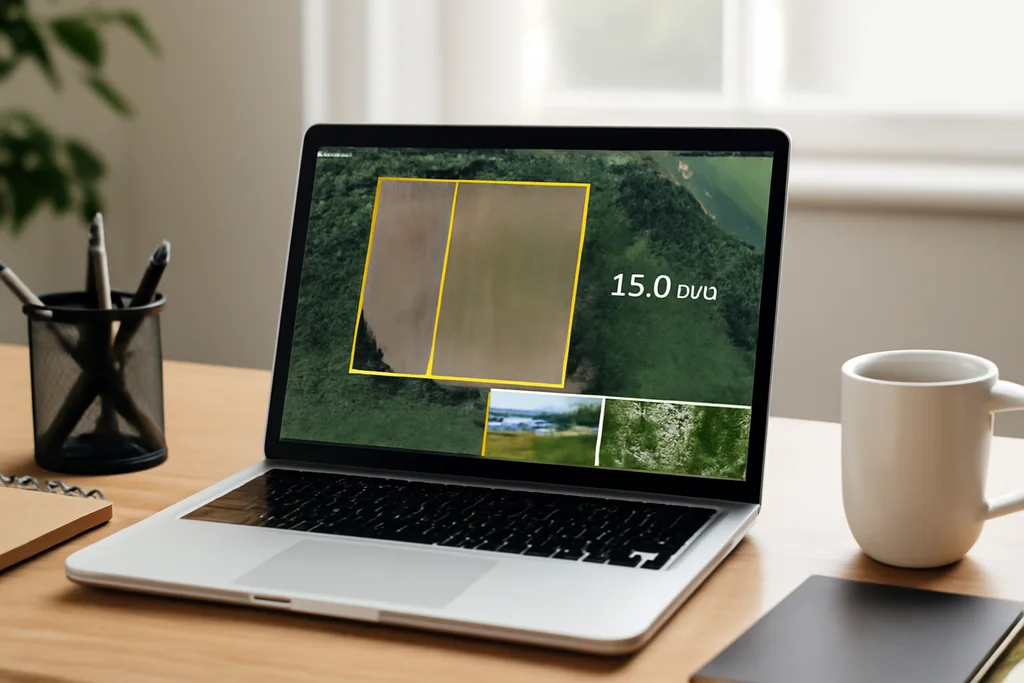
Three online paths for Wisconsin land: multi-platform listing (Zillow + Realtor.com + LandWatch), niche platforms (Lands of Wisconsin, Hunting Locator), or For Sale By Owner on Craigslist and Facebook Marketplace. Multi-platform reaches the most eyeballs but fragments buyer inquiries and usually still requires a flat-fee MLS service ($300-600). Niche platforms surface qualified rural/recreational buyers but charge per listing.
Social-first selling (Facebook Marketplace, Wisconsin land to sell groups) is free but brings more tire-kickers than the paid platforms. A direct cash buyer skips platforms entirely - you email photos and parcel details, receive a written offer in 24-48 hours, and close through a title company. Speed and certainty replace the marketing grind, but you accept the cash-buyer discount on price.
Listing Details That Help Sellers Move Forward
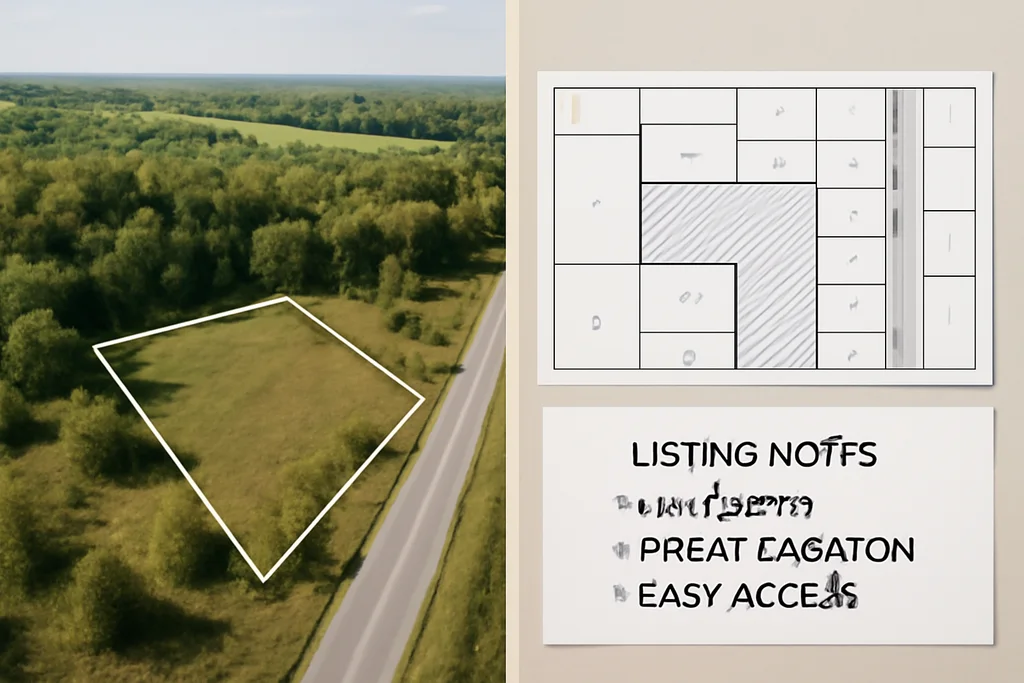
Good photos are the difference between "saved for later" and "contact seller." For Wisconsin land specifically, aerial shots showing boundaries, access, and surrounding land use are worth the $200-400 a local drone operator charges. Add ground-level photos in all four seasons if you have them, a plat map with the parcel highlighted, and any survey or topo map you can dig up.
Pricing is the other lever. Platforms sort by price; a lot priced 10-20% over comparable closed sales sinks to page 3 and stays there. Realistic pricing from day one generates inquiries; aspirational pricing generates nothing. Price with recent sold comparables (not neighbor asking prices), factor in any access or title issues, and leave 5-10% negotiating room.
How to List Your Land and Move From Inquiry to Closing

Owners who sell land online usually start by deciding where to list your land and how detailed the listing should be. A good land online listing explains access, taxes, maps, acreage, and the best features of the property so a land buyer can tell whether the property fits their plan.
Once the listing is live, the next step is screening. Serious buyers ask for surveys, county records, and practical closing terms. If you want to sell your land online successfully, be ready to explain why the tract is land to sell now, how the land sale will be handled, and whether a real estate agent is involved.
The best way to sell land online is the one that gets the file to a title company. Marketing matters, but closing discipline matters more. If you cannot answer buyer questions quickly, the strongest land buyer will often move on to another property.
What Makes an Online Land Listing Work Better
Online land listings perform better when the facts are complete and easy to verify. Buyers want the parcel number, acreage, county, road access, zoning context, utility information, tax status, maps, and recent photos. Sparse listings create low-quality inquiries because buyers have to guess at the basics.
A strong listing also sets expectations about closing terms. If the seller wants cash, wants to avoid financing contingencies, or knows that a survey or title issue exists, those details should be addressed up front. Clarity filters out weak leads and saves time on unqualified conversations.
Where Online Sales Usually Break Down
Many owner-listed land deals do not fail because of visibility. They fail during follow-up. Buyers ask for maps, deed copies, zoning confirmations, or access details and never get a clear answer. Or the seller gets interest but no one is prepared to move from messages into a written contract and title work.
That is why online selling works best when the seller already knows how they will screen buyers, handle earnest money, and move the file to a title company. Without that process, the listing may create activity without creating real progress toward closing.
How Wisconsin Sellers Compare Their Options
Many Wisconsin owners start by comparing the same three paths: list the land, market it themselves, or work directly with a cash buyer. That comparison should include more than headline price. Sellers should look at how many people need to approve the deal, how quickly the property needs to close, how much cleanup or marketing work they want to handle, and whether they are comfortable waiting for a financed buyer.
A direct buyer is not always the highest-price path, but it can be the simplest path when the property has title issues, back taxes, difficult access, family complications, or a narrow buyer pool. On the other hand, a clean and highly marketable tract may justify more exposure if your main goal is maximizing price and you have time to wait.
Questions to Ask Before You Move Forward
Before signing anything, ask who is paying closing costs, whether the buyer can close without financing, what title issues have already been identified, and how long the offer remains open. If the property is inherited, owned by an LLC, or affected by unpaid taxes, those details should be raised early instead of being left for the closing table.
It is also worth asking what happens if the title search finds old liens, missing probate documents, or ownership gaps. A serious buyer or title company should be able to explain the next step clearly. When no one can explain the process, that usually means the deal is not as solid as it first appears.
How Title Work and Closing Usually Unfold
Once seller and buyer agree on terms, the file still needs title work, payoff review, deed preparation, and final coordination before money changes hands. That process is where many owners first see whether the deal is truly ready to close or whether hidden problems still need to be solved.
A good closing process gives the seller a clear sequence: open title, review exceptions, confirm payoff items, sign final documents, and record the deed. Even when the transaction is simple, treating the title phase seriously is what keeps a fast sale from turning into a messy one.
Steps to Sell Wisconsin Land
- Gather piece details. Find the county record, parcel number, tax status, deed, and any maps or surveys you already have.
- Decide your preferred sale path. Choose whether you want to list, sell by owner, or ask for a direct cash offer.
- Review written terms. Look at price, closing costs, timeline, contingencies, and who pays title expenses.
- Close with proper paperwork. Use a title company or qualified closing professional so the deed and funds are handled correctly.
Common Questions
What should I have ready before listing land online?
Good listings usually start with clear property information, acreage, access details, zoning, tax status, and accurate photos or maps so serious buyers can evaluate the property quickly.
Do I need a realtor to sell Wisconsin land?
No. You can sell land yourself or work directly with a cash buyer. A realtor may help with marketing, but commissions and timeline should be part of the comparison.
How long does a Wisconsin land sale take?
A simple cash sale can close quickly after title is clear. Probate issues, liens, access problems, or ownership questions can add time.
What documents are usually needed to sell land in Wisconsin?
Most sales need a purchase agreement, deed preparation, identification, tax information, and any paperwork proving authority to sign.
Get a Cash Offer for Wisconsin Land
Sell Wisconsin Land buys vacant lots, inherited land, rural acreage, wooded lots, and unwanted Wisconsin property directly from owners. Share the ground details, review a no-obligation offer, and decide whether a direct sale works for you.
Owners reviewing land for sale options in Wisconsin often find that a direct cash review gives a clearer benchmark than another round of listing activity. Owners reviewing sell your property options in Wisconsin often find that a direct cash review gives a clearer benchmark than another round of listing activity. If a direct buyer can help you sell, the path usually runs through the title company on a timeline measured in weeks, not quarters. Owners reviewing land fast options in Wisconsin often find that a direct cash review gives a clearer benchmark than another round of listing activity. Owners reviewing land by owner options in Wisconsin often find that a direct cash review gives a clearer benchmark than another round of listing activity.
Sell Your Wisconsin Land for Cash
We buy land in every Wisconsin county with no fees, no commissions, and closings in as little as 2 weeks. Start with a free cash offer.
Ready to compare a direct cash offer? We buy land directly from owners for cash with no fees, no commissions, and no listing delays.