

Selling Land to a Developer in Wisconsin
If you need to selling land to a developer in Wisconsin, start with the property facts: county, property number, acreage, access, zoning, utilities, taxes, ownership, and any known restrictions. Those details shape pricing, timing, and the sale options available to you.
Selling land to a developer in Wisconsin can look attractive because a real estate developer may pay for future potential instead of current use alone. The tradeoff is that developer buyers often need more due diligence, more negotiation, and more time before they close.
That matters to every landowner comparing certainty with upside. A seller may prefer a developer offer, but it helps to know how a real estate developer underwrites risk and why some developer contracts stay open for months before the property actually closes.
How Developer Offers Actually Work
Selling Wisconsin land to a developer is a different transaction than selling to an individual buyer. Developers buy based on future use - subdivision, commercial build-out, multifamily - so their price depends on what they can ultimately construct and sell, not just current land value. That means zoning, entitlements, utilities, access, soil, and site-feasibility reports often matter more than comparable land sales in the area.
Expect developers to request long due-diligence periods (60-120 days), option agreements instead of immediate purchases, and contingencies tied to zoning approvals or site plan review. Those protect the developer but tie up your land without a guaranteed closing. When a direct cash buyer offers less but guarantees closing in 2-4 weeks with no contingencies, sellers often do the math on certainty versus potential upside and take the faster path.
Selling Land to Developers: What a Real Estate Developer Reviews
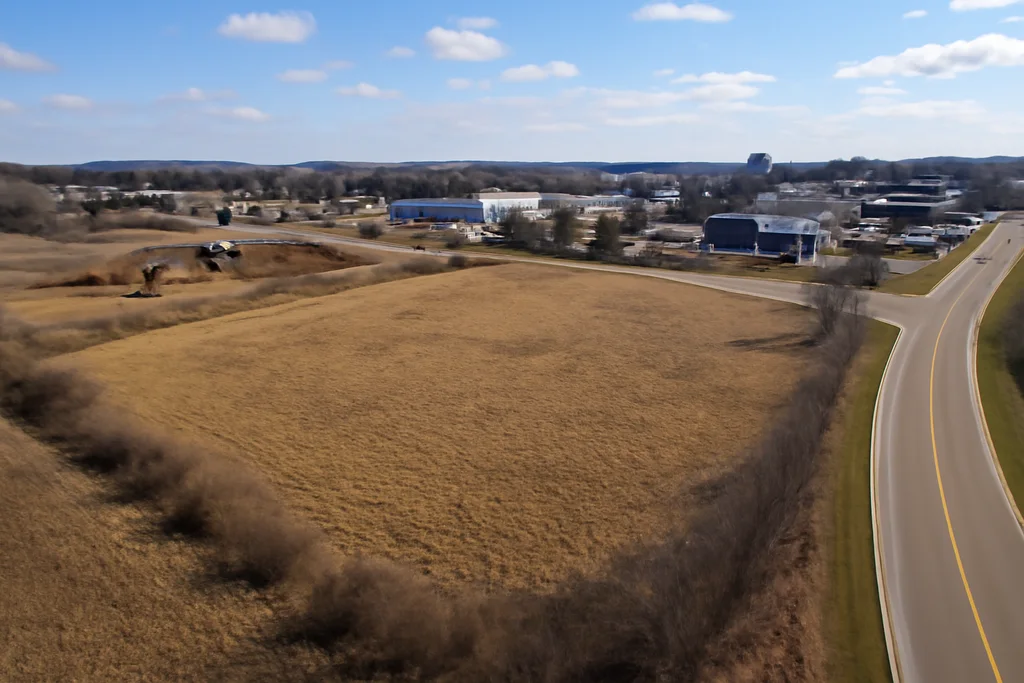
Developers differ from retail buyers on timeline, terms, and price sensitivity. A retail buyer closes in 30-45 days with a fairly standard purchase agreement. A developer often wants a 60-120 day option with extensions, contingent on zoning, entitlements, or site-plan approval. The price they eventually pay can be significantly higher than retail - sometimes 2-4x - but the transaction can also collapse if entitlements fall through or project financing changes.
Compare that with a direct cash buyer: lower offer, no contingencies, close in 2-3 weeks. If the land has clear development upside, patience with a developer pays off. If the upside is speculative or you can't afford 4-6 months of optioned-but-unsold limbo, a direct sale is usually the cleaner choice.
Land to a Real Estate Developer: Market Value and Zoning Regulations

Developer valuations rest on the "residual land value" - what the finished project can sell for minus construction cost, financing, overhead, and target developer profit. A tract that supports 30 single-family lots at $150K each with $90K construction cost pencils at about $1.5M-2M of residual land value across the parcel. That math changes dramatically with zoning, utilities, or site-plan approvals.
Market rent, construction costs, interest rates, and entitlement speed are the four variables developers watch. When any of those move against them mid-deal, they renegotiate the land price or walk. Sellers who structure the deal with milestone payments (non-refundable deposits at each entitlement stage) collect money along the way even if the project never closes.
Due Diligence, Zoning, and Negotiation With a Developer
A developer usually wants more than a quick walk-through. A real estate developer will review zone rules, zoning regulations, permit history, frontage, utilities, financing assumptions, and due diligence timelines before deciding what the property is worth. That review is part of real estate development, not just a casual acquisition call.
That can change the whole negotiation. The seller may receive a strong letter of intent, but a developer often asks for extensions while entitlement or site issues are reviewed. The landowner has to decide whether the higher upside is worth the longer path and whether the piece fits the current market, market trends, and the likely type of development being studied.
If your goal is certainty, compare the developer contract with a direct land buyer. The best offer is not always the highest headline number. It is the offer that matches the seller timeline, the property risk, and the amount of negotiation you actually want. Many landowners looking to sell use a consultant or broker to navigate land acquisition, commercial real estate questions, and market value issues before they sell your land to a developer.
How Developers Usually Evaluate Land
Developers usually look beyond acreage. They care about frontage, utilities, zoning, density potential, entitlement risk, environmental concerns, off-site improvements, drainage, and whether the project timeline makes sense for their capital. A ground can be attractive in theory but still fail the underwriting if one major constraint is unresolved.
That means sellers should not assume developer interest automatically translates into a quick closing. A developer may spend significant time studying access, engineering, municipal approvals, and absorption risk before giving a final commitment.
Why Developer Offers Can Take Longer Than Owner Expectations
Developer buyers often use inspection periods, feasibility reviews, and staged approvals because they are pricing future risk, not just current land value. The seller may hear strong interest early and still wait months for the buyer to decide whether the project truly works.
If your main goal is certainty, that long review cycle may not fit. Some owners choose to pursue a direct buyer instead because they prefer a smaller but faster and cleaner deal over a more speculative developer negotiation.
How Wisconsin Sellers Compare Their Options
Many Wisconsin owners start by comparing the same three paths: list the land, market it themselves, or work directly with a cash buyer. That comparison should include more than headline price. Sellers should look at how many people need to approve the deal, how quickly the property needs to close, how much cleanup or marketing work they want to handle, and whether they are comfortable waiting for a financed buyer.
A direct buyer is not always the highest-price path, but it can be the simplest path when the property has title issues, back taxes, difficult access, family complications, or a narrow buyer pool. On the other hand, a clean and highly marketable tract may justify more exposure if your main goal is maximizing price and you have time to wait.
Questions to Ask Before You Move Forward
Before signing anything, ask who is paying closing costs, whether the buyer can close without financing, what title issues have already been identified, and how long the offer remains open. If the property is inherited, owned by an LLC, or affected by unpaid taxes, those details should be raised early instead of being left for the closing table.
It is also worth asking what happens if the title search finds old liens, missing probate documents, or ownership gaps. A serious buyer or title company should be able to explain the next step clearly. When no one can explain the process, that usually means the deal is not as solid as it first appears.
Steps to Sell Wisconsin Land
- Gather piece details. Find the county record, parcel number, tax status, deed, and any maps or surveys you already have.
- Decide your preferred sale path. Choose whether you want to list, sell by owner, or ask for a direct cash offer.
- Review written terms. Look at price, closing costs, timeline, contingencies, and who pays title expenses.
- Close with proper paperwork. Use a title company or qualified closing professional so the deed and funds are handled correctly.
Common Questions
What do developers usually care about before buying land?
Developers usually focus on access, utilities, zoning, frontage, density, entitlement risk, and how long it may take to turn the tract into a usable project.
Do I need a realtor to sell Wisconsin land?
No. You can close on a property yourself or work directly with a cash buyer. A realtor may help with marketing, but commissions and timeline should be part of the comparison.
How long does a Wisconsin land sale take?
A simple cash sale can close quickly after title is clear. Probate issues, liens, access problems, or ownership questions can add time.
What documents are usually needed to sell land in Wisconsin?
Most sales need a purchase agreement, deed preparation, identification, tax information, and any paperwork proving authority to sign.
Get a Cash Offer for Wisconsin Land
Sell Wisconsin Land buys vacant lots, inherited land, rural acreage, wooded lots, and unwanted Wisconsin property directly from owners. Share the ground details, review a no-obligation offer, and decide whether a direct sale works for you.
Sell Your Wisconsin Land for Cash
We buy land in every Wisconsin county with no fees, no commissions, and closings in as little as 2 weeks. Start with a free cash offer.
Ready to compare a direct cash offer? We buy land directly from owners for cash with no fees, no commissions, and no listing delays.